
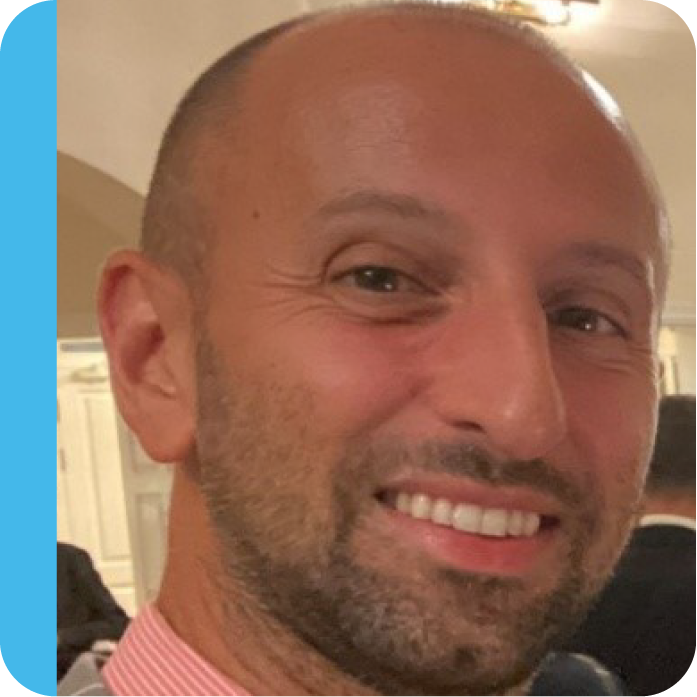
Giovanni Palmisano,
Executive Editor, Journal of Environmental
Chemical Engineering, Elsevier
Giovanni Palmisano is a Professor of Chemical Engineering and Deputy Director of the Research and Innovation Center on CO₂ and Hydrogen (RICH) at Khalifa University in Abu Dhabi. His research focuses on photo(electro)catalysis for water treatment, environmental applications...

Giovanni Palmisano
Executive Editor, Journal of Environmental Chemical Engineering, Elsevier
Giovanni Palmisano is a Professor of Chemical Engineering and Deputy Director of the Research and Innovation Center on CO₂ and Hydrogen (RICH) at Khalifa University in Abu Dhabi. His research focuses on photo(electro)catalysis for water treatment, environmental applications, materials functionalization, and energy, as well as catalysts for vanadium flow batteries. He is the co-author of approximately 200 highly cited journal papers, 10 patents, and 7 books. He has consistently secured research funding and has served as the main advisor to 10 Ph.D. students and 5 M.Sc. students, while supervising numerous research engineers and postdoctoral fellows. Giovanni has served as a member of Khalifa University’s Faculty Academic Council and is a member of the Mohammed bin Rashid Academy of Scientists. He is an Executive Editor of the Journal of Environmental Chemical Engineering and is frequently invited to serve on funding-agency panels and Ph.D. committees. He regularly attends renowned international conferences, where he delivers keynote and plenary lectures.
Top 10 Ethics Pitfalls of Well-Intentioned Researchers
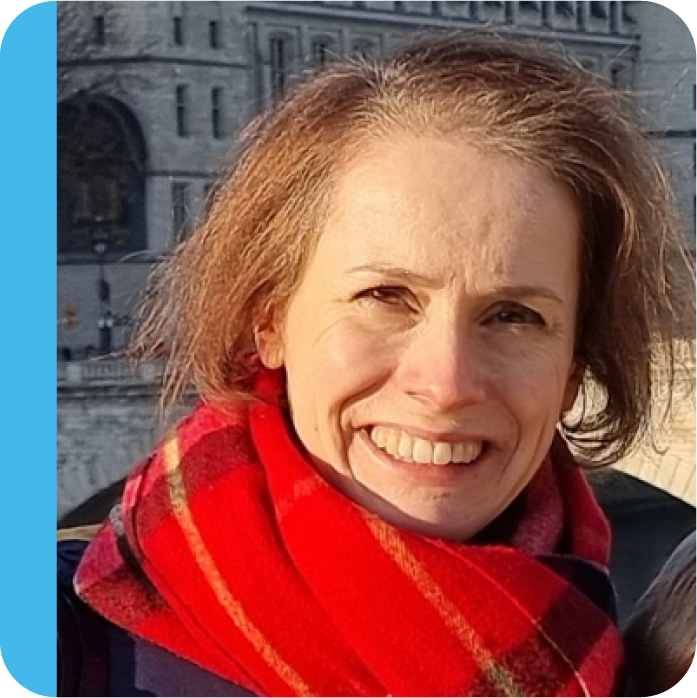
Kay Tancock,
Executive Publisher, Chemical and
Environmental Engineering, Elsevier
Kay Tancock is the Executive Publisher overseeing a renowned portfolio of Chemical and Environmental Engineering journals at Elsevier, including the Journal of Environmental Chemical Engineering, the Chemical Engineering Journal family, and Chemical Engineering Science...
Kay Tancock
Executive Publisher, Chemical and Environmental Engineering, Elsevier
Kay Tancock is the Executive Publisher overseeing a renowned portfolio of Chemical and Environmental Engineering journals at Elsevier, including the Journal of Environmental Chemical Engineering, the Chemical Engineering Journal family, and Chemical Engineering Science. With 13 years of experience at Elsevier, she has managed academic journals across diverse subject areas, from geography to measurement science and control engineering. Based in the company's UK office in Oxford, Kay enjoys opportunities to engage with and support early career researchers globally, and will be available at CIPOA to speak with attendees about their publishing aspirations. Her presentation will give a brief introduction to the scholarly publishing landscape and key trends to be aware of as an author, and she will also touch on a few examples of ethical malpractice that new authors should particularly seek to avoid. Kay welcomes further discussions on all publishing and journal-related topics during the conference. CIPOA attendees are more than welcome to plan conversations with Kay regarding their research publication plans.
The Strategic Value of Elsevier’s Article Transfer Service

Fernando Rodrigues-Silva,
Scientific Handling Editor, Elsevier
Fernando Rodrigues-Silva, Ph.D. is a postdoctoral researcher at the Department of Sanitary and Environmental Engineering of the Federal University of Minas Gerais (UFMG), Brazil. He is a sanitary and environmental engineer and holds a Ph.D. in Sanitation, Environment and...
Fernando Rodrigues-Silva
Scientific Handling Editor, Elsevier
Fernando Rodrigues-Silva, Ph.D. is a postdoctoral researcher at the Department of Sanitary and Environmental Engineering of the Federal University of Minas Gerais (UFMG), Brazil. He is a sanitary and environmental engineer and holds a Ph.D. in Sanitation, Environment and Water Resources from UFMG, with international research mobility at the Faculty of Engineering of the University of Porto, Portugal. His expertise focuses on advanced oxidation processes, wastewater treatment, contaminants of emerging concern, chromatography, and ecotoxicology. His research addresses the removal of micropollutants, toxicity control, and sustainable strategies for water quality improvement and reuse. He has also served as an auxiliar professor at UFMG and currently teaches in graduate environmental engineering programs. In the editorial field, he is a member of the Elsevier’s Article Transfer Service, editorial boards of Industrial Crops and Products and Next Research (Elsevier), and a reviewer for leading journals in environmental and chemical engineering.
Roundtable members:
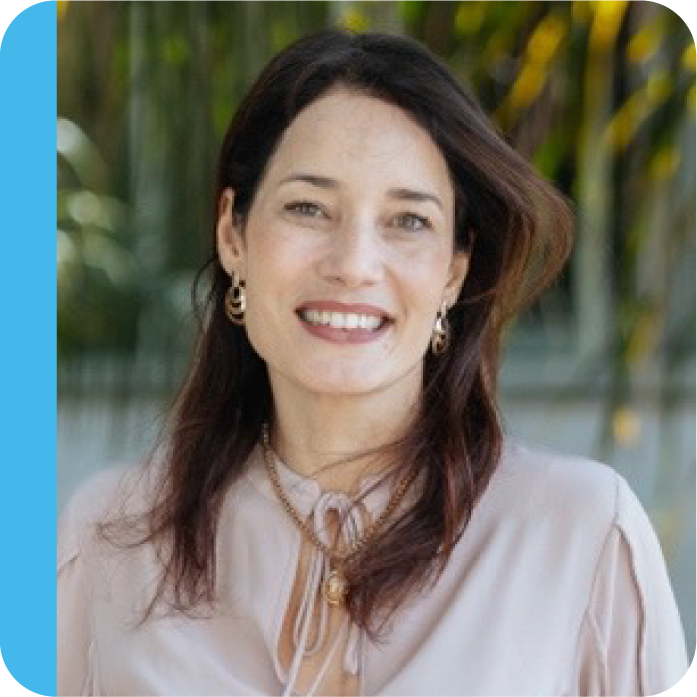
Camila Amorim,
Editor, Chemical
Engineering Science
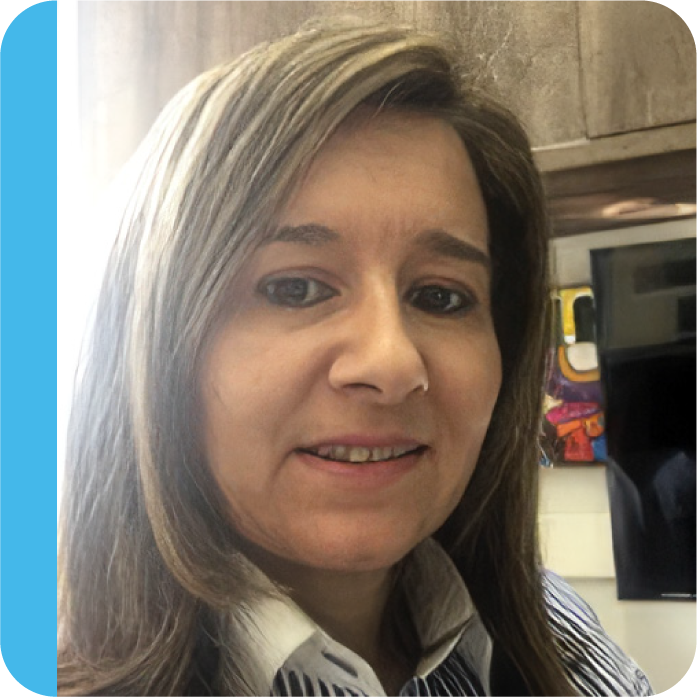
Cíntia Soares,
Editor, Chemical
Engineering Journal
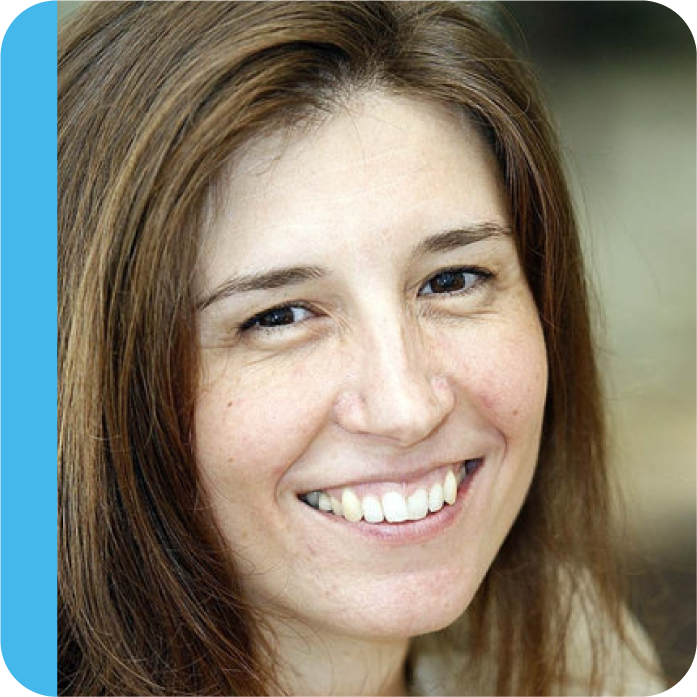
Daphne Hermosilla,
Editor, Chemical
Engineering Journal
Camila Amorim
Editor, Chemical Engineering Science
Camila C. Amorim is Associate Professor at the Department of Sanitary and Environmental Engineering of the Federal University of Minas Gerais (UFMG), Brazil. She holds a degree in Environmental Engineering from the Federal University of Viçosa (2005) and a Ph.D. in Sanitation, Environment and Water Resources from UFMG(2010). She also completed a postdoctoral fellowship at Manchester Metropolitan University, United Kingdom, focused on novel materials for advanced water and wastewater treatment. She is Associate Editor of Chemical Engineering Science (Elsevier). She leads the research groups GruPOA and SIMOA at UFMG, coordinating multidisciplinary projects involving advanced treatment systems, environmental remediation, and intelligent monitoring technologies. Her work combines fundamental with practical environmental applications, contributing to innovative and sustainable solutions for water quality management and environmental protection.
Cíntia Soares
Editor, Chemical Engineering Journal
Cíntia Soares is currently an Associate Professor at the Chemical and Food Engineering Department of the Federal University of Santa Catarina (UFSC), Florianópolis/SC, Brazil. She leads the Laboratory of Materials and Scientific Computing (LabMAC). Cíntia holds a B.E. (1998) in Chemical Engineering from the University of Blumenau (FURB), Brazil, as well as a M.Sc. (2000) and Ph.D. (2005) in Chemical Engineering from Campinas State University (UNICAMP), Brazil. Her research focuses on mathematical modeling and numerical simulation, Computational Fluid Dynamics (CFD), process intensification, artificial intelligence in chemical processes, and the development of advanced materials – with several projects in collaboration with industry. Cíntia is currently editor of the Chemical Engineering Journal, Chemical Engineering Journal Advances and the Brazilian Journal of Chemical Engineering. Moreover, she is an Editorial Board member of the Journal of Environmental Chemical Engineering and social media editor of Chemical Engineering Science. She has acted as Guest Editor for the Journal of Water Process Engineering. She currently serves as reviewer for 118 journals and several funding agencies from Brazil and abroad. Cíntia has published 110 peer-reviewed articles in renowned journals, 17 book chapters, 87 full-length texts in conferences. To date, her h-index is 28 and has received 2614 citations (Scopus). She is currently authoring/editing two books, related to intensification & amp; sustainability and computational fluid dynamics in Chemical Engineering. Cíntia has supervised, to date, 25 PhD theses, 43 Master’s dissertations, and 31 undergraduate research projects. In addition, she has supervised 6 postdoctoral researchers.
Daphne Hermosilla
Editor, Chemical Engineering Journal
Daphne Hermosilla, PhD, is Professor and Director/Dean of the School of Forest and Natural Environment Engineering of the Universidad Politécnica de Madrid and Leader of the G-Aqua research group. She has developed her scientific career in the development and implementation of water and wastewater treatment technologie, including water reclamation and reuse initiatives, rain water reuse in cities, the closure of water circuits in industry, and the design of advanced water treatments, including advanced oxidation technologies, with particular interest in the removal of emerging and priority pollutants; as well as in the development of waste valorisation strategies in the frame of fostering a more sustainable development and the production of energy. She has led and participated in numerous research projects and research contracts with companies. She has published more than 70 articles in peer-reviewed journals with an impact index, and several chapters in international books. She has presented more than 100 papers and presentations at scientific conferences, mainly international. She collaborates with various prestigious groups at National, European and international level. She is evaluator of scientific and technical projects and postdoctoral contracts for numerous institutions. She is associated editor of Chemical Engineering Journal and Chemical Engineering Journal Advances (Elsevier) and actively participates in reviewing tasks for various international indexed journals, in project evaluation, and on scientific and conference organizing committees at national and international levels.
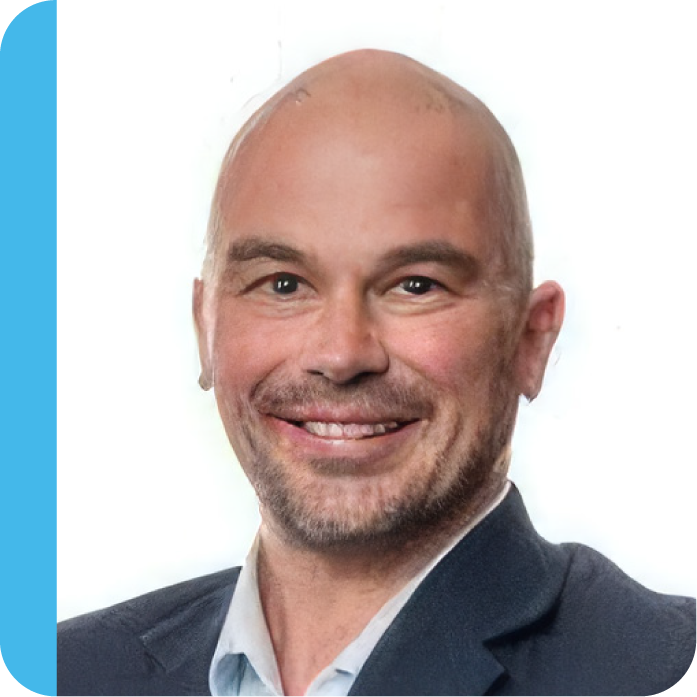
Dave Nisbet,
Executive Editor,
Chemical
Engineering Journal
Dimitris Kondarides,
Executive Editor,
Chemical
Engineering Journal
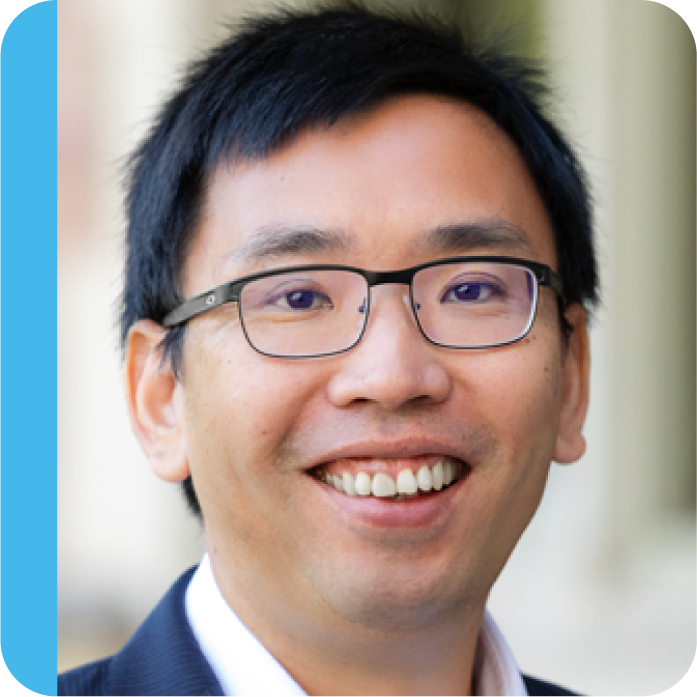
Feng Jiao,
Executive Editor,
Chemical
Engineering Journal
Dave Nisbet
Executive Editor, Chemical Engineering Journal
David Nisbet is Professor of Translational Biomedical Engineering and Director of the Graeme Clark Institute for Biomedical Engineering at the University of Melbourne, Australia. He also serves as Executive Editor of the Chemical Engineering Journal in the area of Applied Biomaterials and Biotechnologies. Professor Nisbet is internationally recognized for his research in advanced biomaterials, regenerative medicine, tissue engineering, drug delivery, and neural engineering. His work focuses on the development of biomimetic materials that mimic the extracellular matrix and enable targeted therapeutic delivery for tissue repair and regeneration. He leads the Laboratory of Advanced Biomaterials, bringing together engineers, chemists, and biologists to translate innovative biomaterials into clinical applications. He obtained his PhD from Monash University and completed a Fulbright Postdoctoral Fellowship at the University of California, Berkeley. Prior to joining the University of Melbourne, he spent more than a decade at the Australian National University, where he established internationally recognized programs in biomaterials and regenerative medicine.
Dimitris Kondarides
Executive Editor, Chemical Engineering Journal
Dimitris Kondarides is Professor at the Department of Chemical Engineering at the University of Patras, Greece, and Director of the Laboratory of Heterogeneous Catalysis. His research activities focus on heterogeneous catalysis and photocatalysis, with particular emphasis on materials synthesis and characterization, the development and evaluation of (photo)catalysts, and the elucidation of reaction kinetics and mechanisms. In recent years, his research has been directed toward the design of advanced catalytic materials and processes for sustainable hydrogen production from renewable resources and the valorization of CO2. Currently, he serves as Executive Editor of the Chemical Engineering Journal and Associate Editor of the ASEAN Journal on Science and Technology for Development.
Feng Jiao
Executive Editor, Chemical Engineering Journal
Professor Feng Jiao earned his BSc in Chemistry from Fudan University and PhD in Chemistry from the University of St Andrews. After postdoctoral training at Lawrence Berkeley National Laboratory, he joined the University of Delaware in 2010, where he was promoted to full professor in 2021 and directed the Center for Catalytic Science & Technology. In 2023, he joined Washington University in St. Louis, where he is the Lauren and Lee Fixel Distinguished Professor, Director of the Center for Carbon Management, and Deputy Director of the NSF CURB Engineering Research Center. His group develops electrochemical technologies for energy and sustainability. He has published more than 120 papers with over 27,000 citations and has been recognized as a Fellow of the ACS and RSC, recipient of the ACS ENFL Mid-Career Award, and NSF CAREER Award.
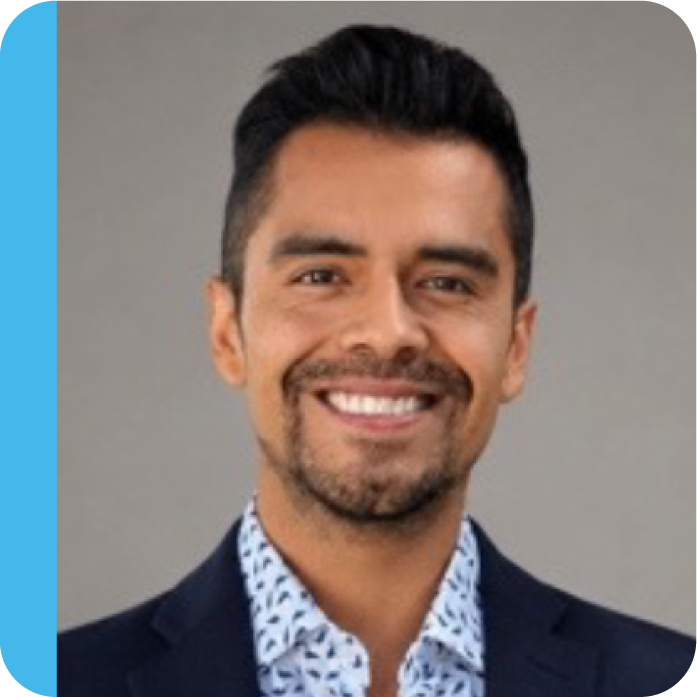
Hugo Olvera-Vargas,
Editor, Journal of
Environmental
Chemical Engineering
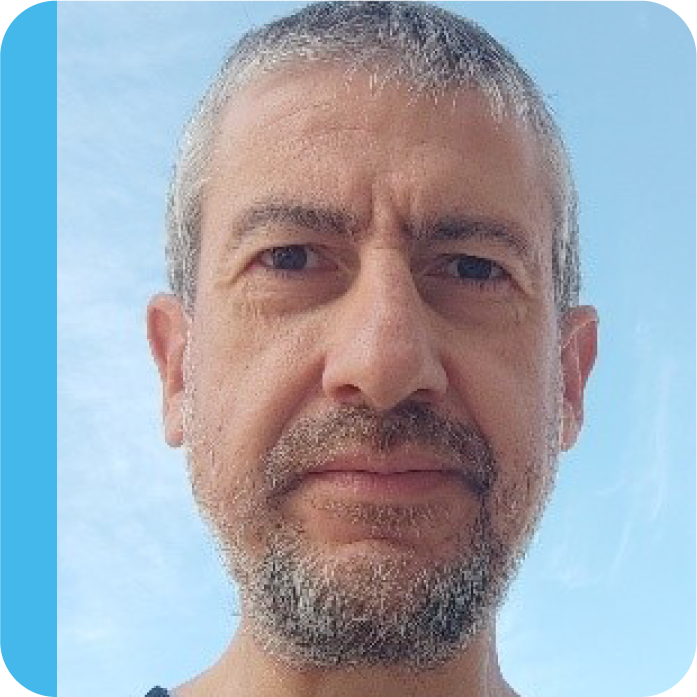
Javier Marugán,
Editor, Journal of
Environmental
Chemical Engineering
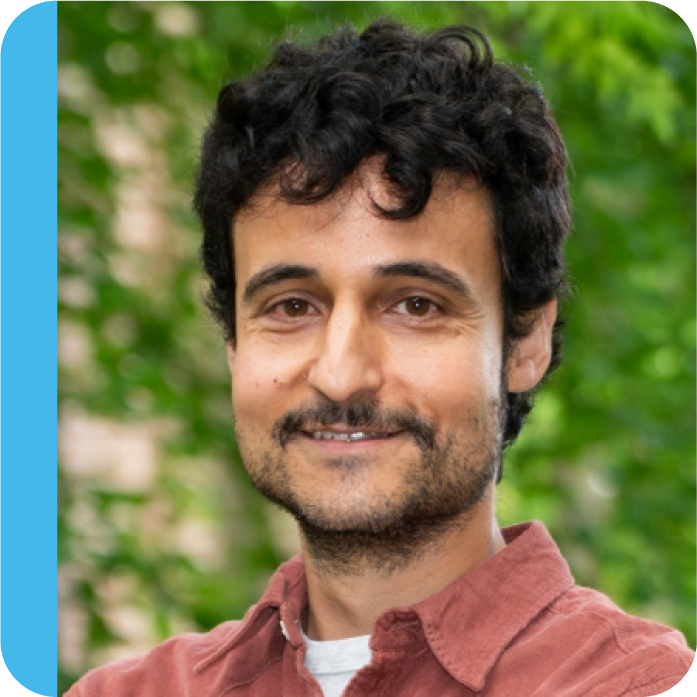
Jonathan Albo,
Editor, Chemical
Engineering
Journal
Hugo Olvera-Vargas
Editor, Journal of Environmental Chemical Engineering
Dr. Hugo Olvera-Vargas is an Associate Professor at the Institute for Renewable Energies of the National Autonomous University of Mexico (UNAM). He obtained his PhD through the Erasmus Mundus program involving institutions in France, Italy, and the Netherlands, followed by postdoctoral research in Toulouse, France, and at the National University of Singapore. His research focuses on environmental electrochemistry and advanced oxidation processes, including mechanistic studies, integrated treatment systems for industrial wastewaters, electrode material development, electrochemical wastewater refining, and emerging pollutant degradation. He has published more than 50 peer-reviewed articles, three book chapters, and contributed to several patents (Google Scholar h-index: 37). He has supervised numerous undergraduate and graduate students, led multiple research projects, and served as evaluator and reviewer for international scientific agencies and journals. Dr. Olvera-Vargas is a Level II member of Mexico’s National System of Researchers (SNII), a member of the Mexican Academy of Sciences, and editor of the Journal of Environmental Chemical Engineering (Elsevier). His distinctions include the Early Career Researcher Award at CIPOA 2024 (Brazil) and the Best PhD Thesis Award from the University of Paris-Est (2015).
Javier Marugán
Editor, Journal of Environmental Chemical Engineering
Javier Marugán is full professor of Chemical Engineering at the Department of Chemical and Environmental Technology of Universidad Rey Juan Carlos, Madrid, Spain. He has been working in photochemical processes for water treatment for more than 25 years, especially in the synthesis of catalytic materials, their application to the removal of pollutants and the inactivation of microorganisms, and the modelling and scaling-up of photochemical processes. He has been the leader investigator of URJC in 8 European Projects, 16 national projects and 10 private industrial projects. He has supervised more than 15 PhD theses, and his scientific outcome has been published in more than 15 book chapters, more than 150 articles in peer-reviewed international JCR journals and more than 300 contributions to scientific congresses. He is Editor of Journal of Environmental Chemical Engineering (Elsevier) since 2022.
Jonathan Albo
Editor, Chemical Engineering Journal
Jonathan Albo is Associate Professor in the Chemical & Biomolecular Engineering Department at the University of Cantabria (UC). His research trajectory has evolved from CO₂ separation through its electrochemical conversion to light-driven catalytic processes. He completed his PhD at UC, with a research stay at Nova University Lisbon, followed by postdoctoral periods at Hiroshima University and the University of the Basque Country, a Ramón y Cajal position at UC, and he is currently a visiting researcher at the University of Oxford. He has published more than 70 articles in indexed journals, has led and participated in over 30 research projects, and has supervised multiple PhD theses, with 3 ongoing. He is included in Stanford University's top 2% ranking since 2020, and his work has been recognized with several awards, including the Juan López de Peñalver Medal from the Royal Academy of Engineering of Spain. He is a member of the Editorial Board of Chemical Engineering Journal (Elsevier) and regularly participates in scientific events and evaluation panels for research funding programs.
Kay Tancock,
Executive Publisher,
Chemical and
Environmental
Engineering, Elsevier
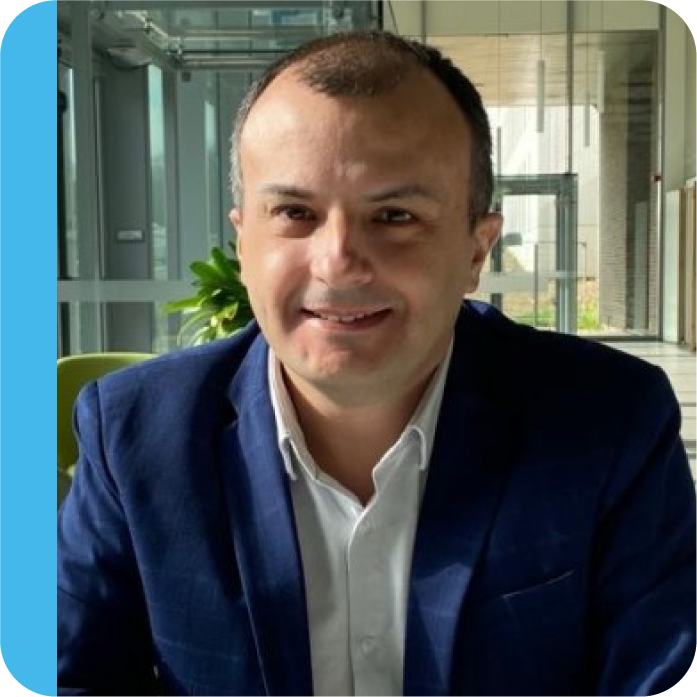
Natan Padoin,
Editor, Journal of
Environmental
Chemical
Engineering
Ricardo Torres-Palma,
Editor, Journal of
Environmental
Chemical Engineering
Kay Tancock
Executive Publisher, Chemical and Environmental Engineering, Elsevier
Kay Tancock is the Executive Publisher overseeing a renowned portfolio of Chemical and Environmental Engineering journals at Elsevier, including the Journal of Environmental Chemical Engineering, the Chemical Engineering Journal family, and Chemical Engineering Science. With 13 years of experience at Elsevier, she has managed academic journals across diverse subject areas, from geography to measurement science and control engineering. Based in the company's UK office in Oxford, Kay enjoys opportunities to engage with and support early career researchers globally, and will be available at CIPOA to speak with attendees about their publishing aspirations. Her presentation will give a brief introduction to the scholarly publishing landscape and key trends to be aware of as an author, and she will also touch on a few examples of ethical malpractice that new authors should particularly seek to avoid. Kay welcomes further discussions on all publishing and journal-related topics during the conference. CIPOA attendees are more than welcome to plan conversations with Kay regarding their research publication plans.
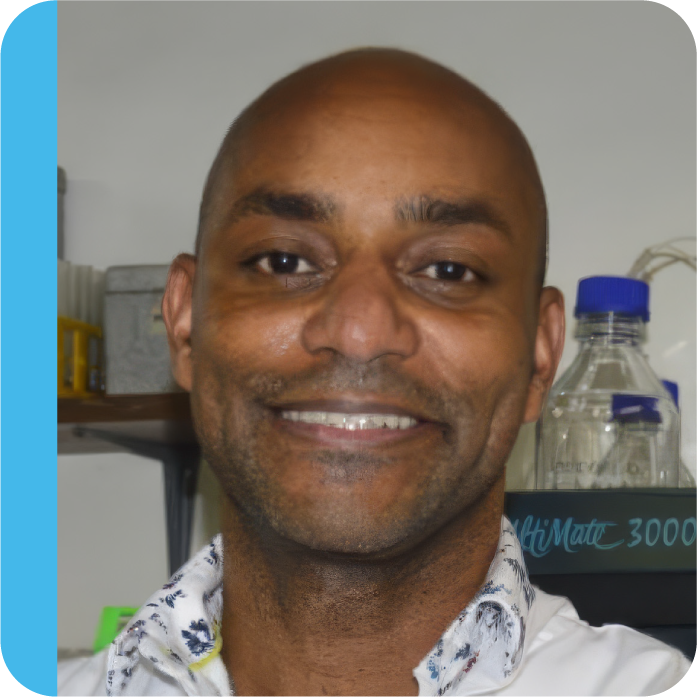
Natan Padoin
Editor, Journal of Environmental Chemical Engineering
Natan Padoin is currently an Adjunct Professor at the Chemical and Food Engineering Department of the Federal University of Santa Catarina (UFSC), Florianópolis/SC, Brazil. He holds a B.E. (2011) in Chemical Engineering from the Federal University of Santa Catarina (UFSC), Brazil, as well as a M.Sc. (2013) and Ph.D. (2016) in Chemical Engineering from UFSC. His research is focused on the application of computational simulation (including macroscopic, microscopic and data-driven approaches) for the design and optimization of chemical processes and equipment. Natan is currently an Editor of the Journal of Environmental Chemical Engineering (JECE) and serves as Social Media Editor of the Chemical Engineering Journal (CEJ). Moreover, he served as a guest editor for Separation and Purification Technology (SEPPUR) in the past. Natan has also reviewed articles for more than 60 journals and has published 87 articles in renowned journals. He is co-authoring the book “Computational Fluid Dynamics in Chemical Engineering: Fundamentals and Applications” (Elsevier) and co-editing the book “Intensification and Sustainability in Chemical Engineering” (Elsevier), expected to be published in late 2026. Finally, Natan has an extensive record in supervising undergraduate and graduate students at UFSC, as well as diverse administrative activities at the university.
Ricardo Torres-Palma
Editor, Journal of Environmental Chemical Engineering
Ricardo Torres-Palma is graduated in Chemistry and Master in Chemistry (2001) by Universidad del Valle, Colombia. From 1999-2002, he was awarded with the Scholarship for Foreign Students at the EPFL (Switzerland). In 2007, he received the PhD in Chemistry from the University of Savoie in France. From 2009-2011, he was post-doctoral re-searcher in Chemical Engineering and Applied Chemistry at the University of Toronto (Canada). He is leader of the Research Group on Environmental Remediation and Biocatalysis at the Faculty of Exact and Natural Sciences of Universidad de Antioquia and Editor of Journal of Environmental Chemical Engineering (Elsevier). He has been also Editor or Guest Editor for Environmental Science and Pollution Research, Applied Catalysis B: Environmental, Journal of Hazardous Materials and ECS Transactions. He has dedicated his scientific life to the understanding and development of water treatment systems through sonochemical, electrochemical and photochemical processes. He has published more than 190 articles in indexed journals and has close than 9000 citations (h-index: 55, in Scopus). Since 2022 he has been included in a list of the most-cited scientists in the world released by Stanford University.
Stefania Specchia,
Executive Editor,
Chemical
Engineering
Journal, Elsevier
Suresh Pillai,
Executive Editor,
Chemical
Engineering
Journal
Todd Hoare,
Executive Editor,
Chemical
Engineering
Journal
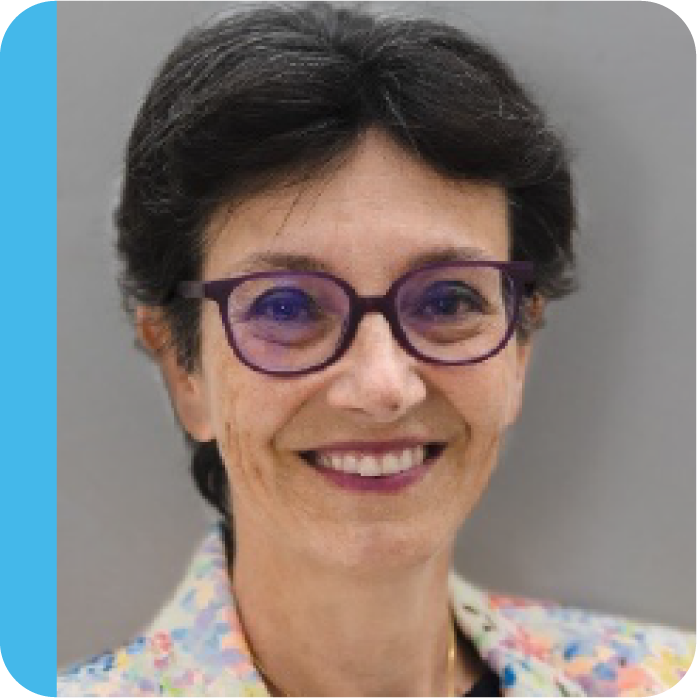
Stefania Specchia
Executive Editor, Chemical Engineering Journal, Elsevier
Stefania Specchia, Chemical Engineer, is Full Professor of Chemical Plants Design. Associated Research at the CNR-ITAE “Nicola Giordano” (Italy). Lecturer of two courses: Design of Multiphase Apparatuses and Batteries and Fuel Cells for Energy Transition. Executive Editor of Chemical Engineering Journal (Elsevier) and Electrochemical Energy Reviews (Springer). She authored/co-authored more than 160 peer-reviewed publications on international journals, 8 chapters of international books, 1 international patent (on Google Scholar database: Hirsch index = 59, citations > 8600; on Scopus database: Hirsch index = 53, citations > 7100). She attended more 90 international congresses (35 as invited keynotes, 1 as plenary talk). Research activities: she is the leader of the Gre.En2 Group (Green Energy & Engineering Group). Main research topics: 1. Catalytic combustion of light hydrocarbons in lean conditions; 2. Hydrogen production in fuel processors; 3. Low-temperature fuel cells (PEMFC and DMFC); 4. Energetic valorization of wastes. She is/was the principal investigator of EU and national research projects, and various international cooperation (overall funding: 1.6 M€)..
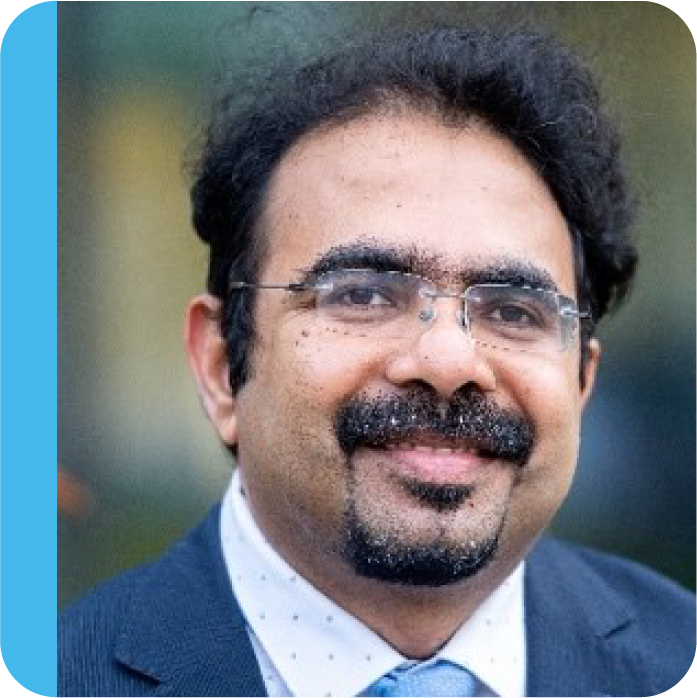
Suresh Pillai
Executive Editor, Chemical Engineering Journal
Suresh C. Pillai is the Director of the Nanotechnology and Bio-Engineering Research at the Atlantic Technological University, Ireland. He completed PhD at Trinity College Dublin, Ireland and then performed his postdoctoral research at the California Institute of Technology (Caltech), USA. His research work was featured in various international media such as BBC World, BBC London, RTE-1 TV and in a number of national and international print media (Times UK, The Guardian, Irish Times etc). Currently, he is the executive editor of the journals Chemical Engineering Journal and Results in Engineering. He is also the Editorial Board Member for the journal Applied Catalysis B (Elsevier; IF 21.00).
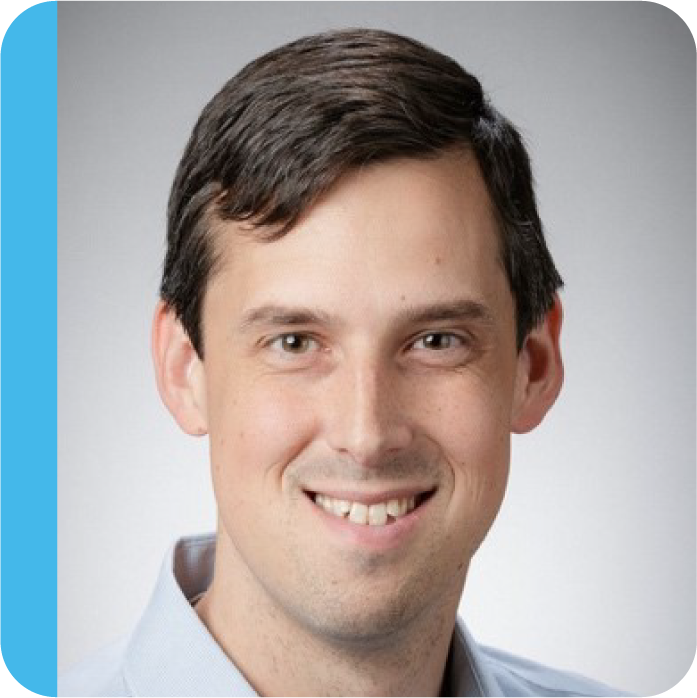
Todd Hoare
Executive Editor, Chemical Engineering Journal
Todd Hoare is the Tier 1 Canada Research Chair in Engineered Smart Materials and a Professor in the Department of Chemical Engineering at McMaster University. Dr. Hoare’s work on “smart” environmentally-responsive hydrogels, in situ-gelling/printable hydrogel materials, and nanoscale drug delivery vehicles has been profiled by Popular Science, Maclean’s, and BBC for its potential in solving clinical challenges through innovative biomaterials design. He is a Fellow of the International Union of Societies in Biomaterials Science and Engineering (IUS-BSE), was awarded the 2023 NSERC Brockhouse Prize for Interdisciplinary Research, an NSERC E.W.R. Steacie Memorial Fellowship (2018), and the 2009 John Charles Polanyi Prize in Chemistry in recognition of his research. Dr. Hoare is a past-president of the Canadian Biomaterials Society (2016-2017) and the Canadian Chapter of the Controlled Release Society (2013-2015) and is currently Past-Chair of the Macromolecular Science and Engineering Division of the Chemical Institute of Canada. He also serves as Executive Editors of Chemical Engineering Journal where he co-founded the Applied Biomaterials & Biotechnologies section.
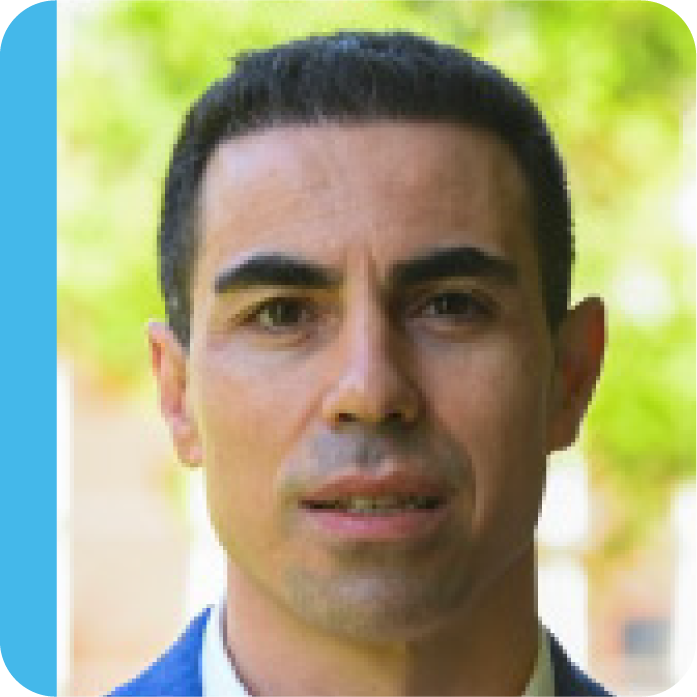
Vítor Vilar,
Co-ordinating
Editor, Chemical
Engineering Journal
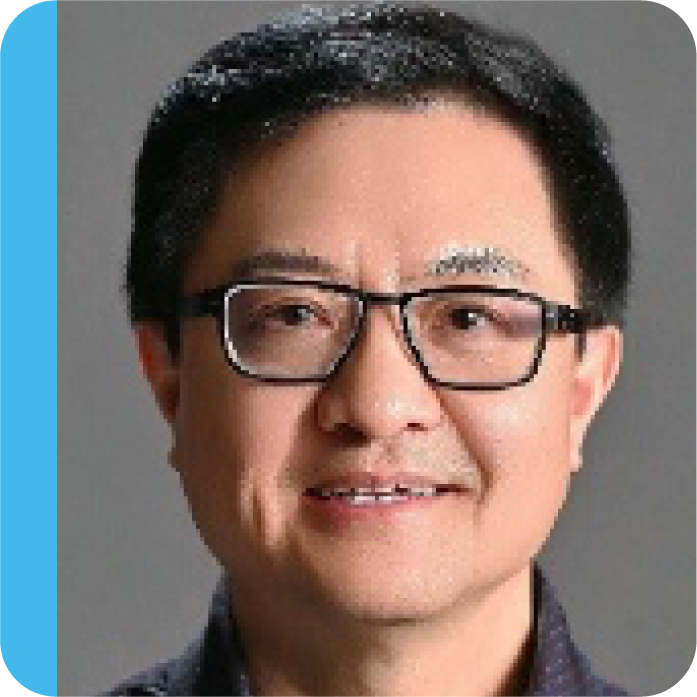
Yong Wang,
Executive Editor,
Chemical
Engineering Journal
Vítor Vilar
Co-ordinating Editor, Chemical Engineering Journal
Vítor J.P. Vilar is a principal researcher in the Laboratory of Separation and Reaction Engineering-Laboratory of Catalysis and Materials (LSRE-LCM), Faculty of Engineering of the University of Porto (FEUP), Porto, Portugal. He earned his BSc (2001) and PhD (2006) in Chemical Engineering from FEUP. He is Executive Editor of Journal of Environmental Chemical Engineering (Elsevier), and Co-ordinating Editor of Chemical Engineering Journal (Elsevier). V. Vilar oversees a multidisciplinary research group with complementary competencies and expertise in environmental and chemical engineering, seeking the development of advanced, safer, and sustainable environmental technologies toward a circular and bio-based economy.
Yong Wang
Executive Editor, Chemical Engineering Journal
Yong Wang is a Regents Professor of Chemical Engineering at Washington State University and Director of the Institute for Integrated Catalysis (IIC) at Pacific Northwest National Laboratory. His research focuses on catalytic materials and reaction engineering for the efficient conversion of fossil resources, biomass, CO₂, and waste plastics into fuels and chemicals. He has authored > 470 peer-reviewed publications and given >300 invited talks, and holds 287 patents, including 111 U.S. patents. Dr. Wang is a member of the U.S. National Academy of Engineering and a Fellow of the National Academy of Inventors, AIChE, AAAS, and ACS. His contributions have been recognized with numerous international honors, including the 2025 North American Catalysis Society Robert Burwell Lectureship, the 2025 AIChE Wilhelm Award, the 2021 ACS E. V. Murphree Award, and the 2019 AIChE Catalysis Practice Award.
Vítor Vilar
Executive Editor, Journal of Environmental Chemical Engineering, Co-ordinating Editor, Chemical Engineering Journal
Vítor J.P. Vilar is a principal researcher in the Laboratory of Separation and Reaction Engineering-Laboratory of Catalysis and Materials (LSRE-LCM), Faculty of Engineering of the University of Porto (FEUP), Porto, Portugal. He earned his BSc (2001) and PhD (2006) in Chemical Engineering from FEUP. He is Executive Editor of Journal of Environmental Chemical Engineering (Elsevier), and Co-ordinating Editor of Chemical Engineering Journal (Elsevier). V. Vilar oversees a multidisciplinary research group with complementary competencies and expertise in environmental and chemical engineering, seeking the development of advanced, safer, and sustainable environmental technologies toward a circular and bio-based economy.
Vítor Vilar,
Executive Editor, Journal of Environmental
Chemical Engineering, Co-ordinating Editor,
Chemical Engineering Journal
Vítor J.P. Vilar is a principal researcher in the Laboratory of Separation and Reaction Engineering-Laboratory of Catalysis and Materials (LSRE-LCM), Faculty of Engineering of the University of Porto (FEUP), Porto, Portugal...