
Short bios of Session Leads and Speakers
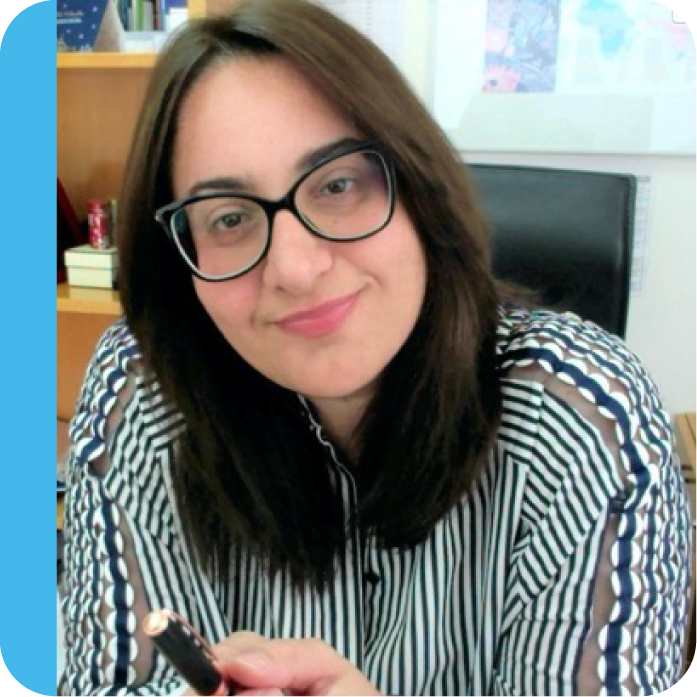
Despo Fatta-Kassinos
Despo Fatta-Kassinos is Professor and Chair of the Department of Civil and Environmental Engineering at the University of Cyprus. Her research focuses on wastewater treatment, contaminants of emerging concern, antimicrobial resistance, advanced oxidation processes, and the safe reuse of reclaimed water. She holds senior scientific and advisory leadership roles in the international water and environmental chemical engineering community. She is Co-Editor-in-Chief of Current Opinion in Chemical Engineering, Editor of Water Research, and Executive Editor of the Journal of Environmental Chemical Engineering.
Read more... × Close
Among other distinctions, her work has been recognized through repeated inclusion among the Highly Cited Researchers, the Prince Sultan bin Abdulaziz International Prize for Water (PSIPW) – Alternative Water Resources Prize, the SETAC Europe–Noack Laboratorien Outstanding Science Career Award, the Cyprus National Research Award, and the Madame Figaro Scientist/Academic Woman of the Year Award by Estée Lauder. She is an elected member of Academia Europaea, the European Academy of Sciences, and the European Academy of Sciences and Arts, reflecting the international recognition of her contributions to sustainable water systems and environmental chemical engineering.
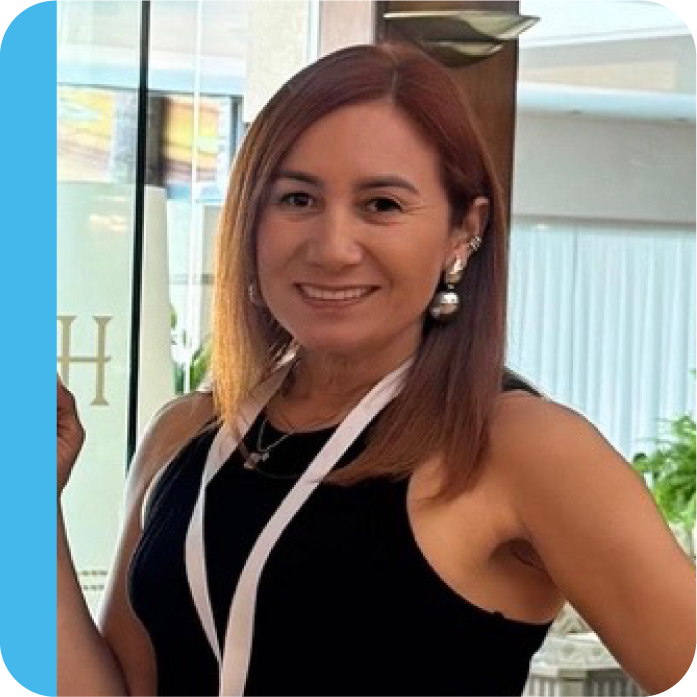
Nancy Y. Acelas
Nancy Y. Acelas is Associate Professor at the Faculty of Engineering of the University of Medellín, Colombia, and leader of the research group Materiales con Impacto (MAT&MPAC), classified in category A1 by the Colombian Ministry of Science, Technology and Innovation (Minciencias). She holds a degree in Chemistry from the University of Antioquia (2009) and a Ph.D. in Chemical Sciences from the same institution (2013), where she graduated Summa Cum Laude. She also completed international research stays at Cranfield University (United Kingdom) and the University of Twente (The Netherlands). She currently serves as Associate Editor of H2Open Journal (IWA-Elsevier Publishing).
Read more... × Close
Her research focuses on the valorization of agro-industrial residues for the development of sustainable functional materials applied to environmental remediation, water treatment, nutrient recovery, adsorption, advanced oxidation processes, photocatalysis, and computational chemistry. She leads multidisciplinary research projects funded by national and international agencies and maintains active collaborations with institutions across Latin America, Europe, and the United States. Dr. Acelas has authored more than 76 scientific publications in international journals, approximately 80% of which are ranked in the first quartile (Q1) and has an H-index of 23 according to Scopus. Her work integrates fundamental and applied research to advance sustainable technologies for environmental protection, circular economy, and water resource management.
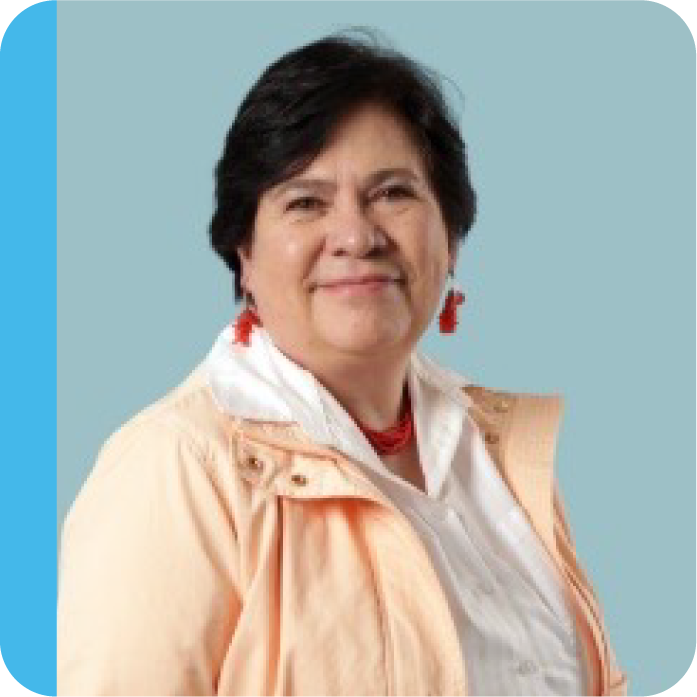
Florinella Muñoz-Bisesti
Florinella Muñoz is a Chemical Engineer from Escuela Politécnica Nacional, Quito, Ecuador, and holds a Ph.D. in Natural Sciences from Ruhr University Bochum, Germany (1999). Her doctoral research, conducted at the Max Planck Institute for Radiation Chemistry, focused on ozone reactions with amines and other nitrogen-containing compounds. Since 2000, she has been a full-time professor at EPN and has held several leadership positions, including Director of the Nuclear Sciences Department, Director of Research and Social Outreach, member of the Polytechnic Council, and Rector (2018–2023). As Rector, she became the first woman and the first Ph.D. holder to lead the university in its 150-year history.
Read more... × Close
Her research focuses on applications of ionizing radiation in food, materials, and water, as well as advanced oxidation technologies for industrial wastewater treatment. She is the inventor of patented technologies, author of numerous scientific publications and books, and has served on the Scientific Committee of the Ibero-American Conference on Advanced Oxidation Technologies (CIPOA) since 2015. She is Chairwoman of the VII CIPOA 2026, to be held in Quito, Ecuador.
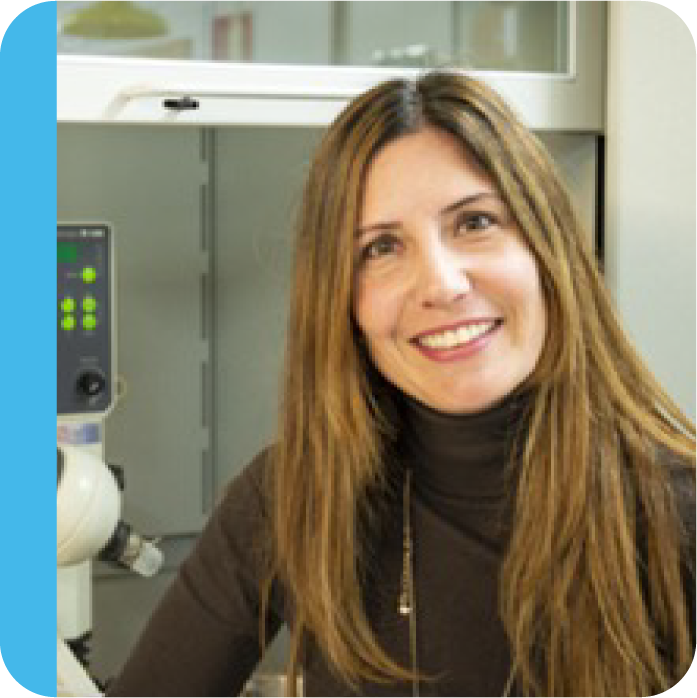
Isabel Oller
Isabel Oller holds a PhD in Chemical Engineering from the University of Almeria (2008). She was awarded as “Extraordinary PhD award 2007-2008” by the University of Almería in the category of Experimental Sciences. She is Head of the Solar Treatment of Water Research Unit at the Plataforma Solar de Almeria (CIEMAT). She is co-leader of the Research Group of Environmental Analysis from CIESOL (Joint Research Centre in Solar Energy between CIEMAT and the University of Almería). Dr. Isabel Oller has more than 25 years of experience in the field of industrial and urban wastewater treatment, disinfection and reuse by using advanced oxidation processes (with and without solar energy) and their combination with physic-chemical pre-treatments, advanced biological processes, membrane systems and other conventional technologies.
Read more... × Close
She has developed this activity under her participation in more than 25 R+D European, national, regional and international Projects. She has been awarded with the Royal Academy of Sciences Foundation Award for young female scientific talent in the category of Applications of Science to Technology (2024). Isabel is a recognized researcher included in Stanford University's annual list of the world's top 2% most influential scientists, a ranking based on citations, with her work highlighting her significant impact in fields like solar energy and water treatment. Her consistent inclusion in this prestigious Stanford ranking underscores her prominent global standing as a highly cited scientist.
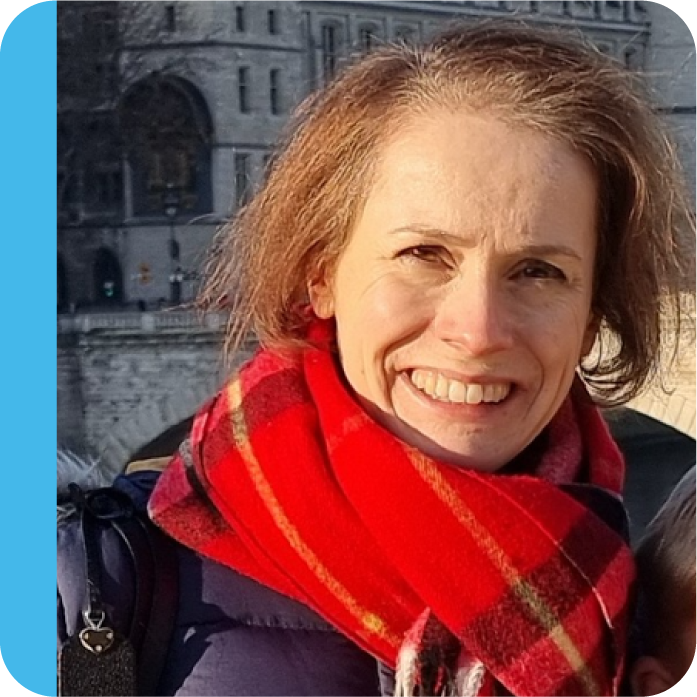
Kay Tancock
Kay Tancock is the Executive Publisher overseeing a renowned portfolio of Chemical and Environmental Engineering journals at Elsevier, including the Journal of Environmental Chemical Engineering, the Chemical Engineering Journal family, and Chemical Engineering Science. With 13 years of experience at Elsevier, she has managed academic journals across diverse subject areas, from geography to measurement science and control engineering. Based in the company's UK office in Oxford, Kay enjoys opportunities to engage with and support early career researchers globally and will be available at CIPOA to speak with attendees about their publishing aspirations.
Read more... × Close
Today, she will share how, throughout her career so far, one of the most rewarding parts of the role has been seeing early career researchers grow into associate editors, editors-in-chief and internationally recognised leaders. Careers can be built through publishing, and supporting women and all young researchers to become actively involved in the process is a driving force for Kay as a publisher.

Daphne Hermosilla, Ph.D.
Daphne Hermosilla, PhD, is Professor and Director/Dean of the School of Forest and Natural Environment Engineering of the Universidad Politécnica de Madrid. She has developed her scientific career in the development and implementation of water and wastewater treatment technologies, including water reclamation and reuse initiatives, rain water reuse in cities, the closure of water circuits in industry, and the design of advanced water treatments, including advanced oxidation technologies, with particular interest in the removal of emerging and priority pollutants; as well as in the development of waste valorisation strategies in the frame of fostering a more sustainable development and the production of energy.
Read more... × Close
She has led and participated in numerous research projects and research contracts with companies. She has published more than 70 articles in peer-reviewed journals with an impact index, and several chapters in international books. She has presented more than 100 papers and presentations at scientific conferences, mainly international.She collaborates with various prestigious groups at National, European and international level. She is evaluator of scientific and technical projects and postdoctoral contracts for numerous institutions. She is associated editor of Chemical Engineering Journal and Chemical Engineering Journal Advances (Elsevier) and actively participates in reviewing tasks for various international indexed journals, in project evaluation, and on scientific and conference organizing committees at national and international levels. Her publications and information of interest can be found at: https://orcid.org/0000-0002-0006-2397
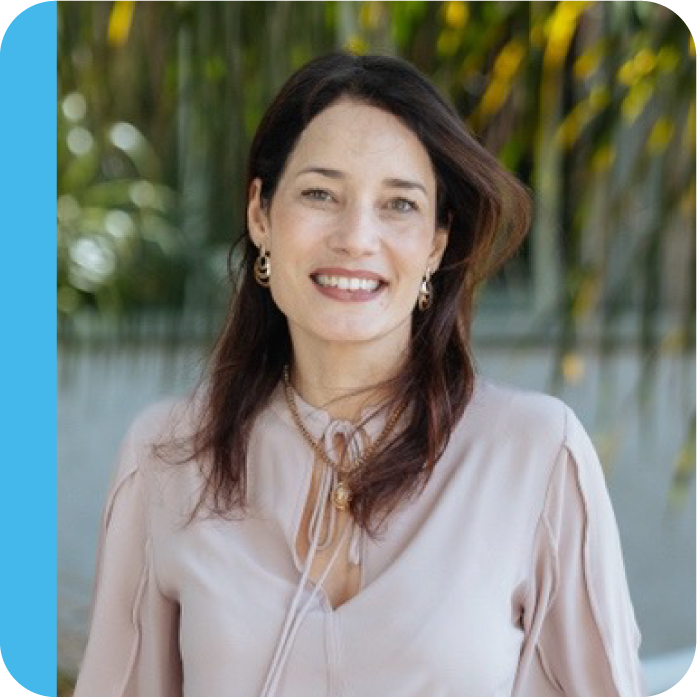
Camila C. Amorim
Camila C. Amorim is an Associate Professor at the Department of Sanitary and Environmental Engineering of the Federal University of Minas Gerais (UFMG), Brazil, and a CNPq Research Productivity Fellow. She holds a degree in Environmental Engineering from the Federal University of Viçosa (2005) and a Ph.D. in Sanitation, Environment and Water Resources from UFMG (2010). She completed a postdoctoral fellowship at Manchester Metropolitan University, United Kingdom, focused on advanced materials for water and wastewater treatment. Her research focuses on advanced oxidation processes, water and wastewater treatment, environmental remediation, contaminants of emerging concern, and intelligent monitoring of aquatic systems.
Read more... × Close
She leads the research groups GruPOA and SIMOA at UFMG and coordinates multidisciplinary projects involving universities, public agencies, and industry. She is an Associate Editor of Chemical Engineering Science (Elsevier) and serves as the Latin America Coordinator for the International PhD School on Advanced Oxidation Processes (IPS-AOP). She has organized the book Procedures for Environmental Licensing in Brazil, published by the Brazilian Ministry of the Environment and Climate Change. She has published more than 90 scientific articles and supervised 21 MSc dissertations, 14 PhD theses, and 4 postdoctoral researchers. Her work integrates fundamental research and practical environmental solutions for water quality management, environmental protection, and sustainable innovation.
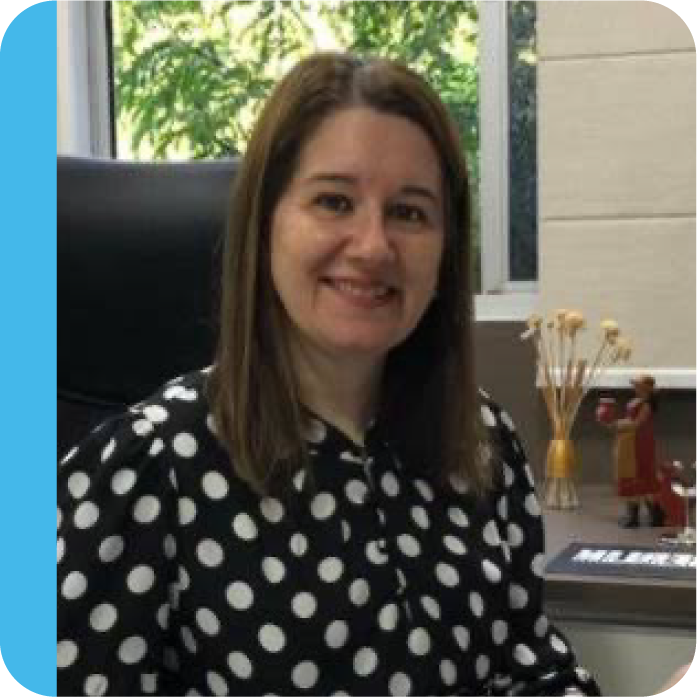
Cíntia Soares
Cíntia Soares is currently an Associate Professor in the Department of Chemical and Food Engineering at the Federal University of Santa Catarina (UFSC), Florianópolis, SC, Brazil, where she leads the Laboratory of Materials and Scientific Computing (LabMAC). She received her B.E. in Chemical Engineering from the Regional University of Blumenau (FURB), Brazil, in 1998, and her M.Sc. (2000) and Ph.D. (2005) in Chemical Engineering from the University of Campinas (UNICAMP), Brazil. Her research focuses on mathematical modeling and numerical simulation, Computational Fluid Dynamics (CFD), process intensification, artificial intelligence in chemical processes and the development of advanced materials, with several projects conducted in collaboration with industry. Cíntia is currently an Editor of the Chemical Engineering Journal, Chemical Engineering Journal Advances and the Brazilian Journal of Chemical Engineering.
Read more... × Close
She also serves as an Editorial Board Member of the Journal of Environmental Chemical Engineering and as Social Media Editor of Chemical Engineering Science. In addition, she has served as Guest Editor for the Journal of Water Process Engineering, Chemical Engineering Journal and Journal of Environmental Chemical Engineering. She is also an active reviewer for 118 scientific journals and several funding agencies in Brazil and abroad. To date, Cíntia has published 112 peer-reviewed journal articles, 20 book chapters and 87 full conference papers. According to Scopus, she has an h-index of 29 and has received 2,719 citations. She is an author of the book “Computational Fluid Dynamics in Chemical Engineering: Fundamentals and Applications” and an editor of the book “Intensification and Sustainability in Chemical Engineering”, both scheduled for publication by Elsevier in late 2026. She has supervised 26 Ph.D. theses, 44 master's dissertations, 31 undergraduate research projects and six postdoctoral researchers. In 2025, she received the “Women in Science” Award from the Federal University of Santa Catarina. She currently serves as Chairwoman of the V Brazilian Congress on Computational Fluid Dynamics (CBCFD 2026).
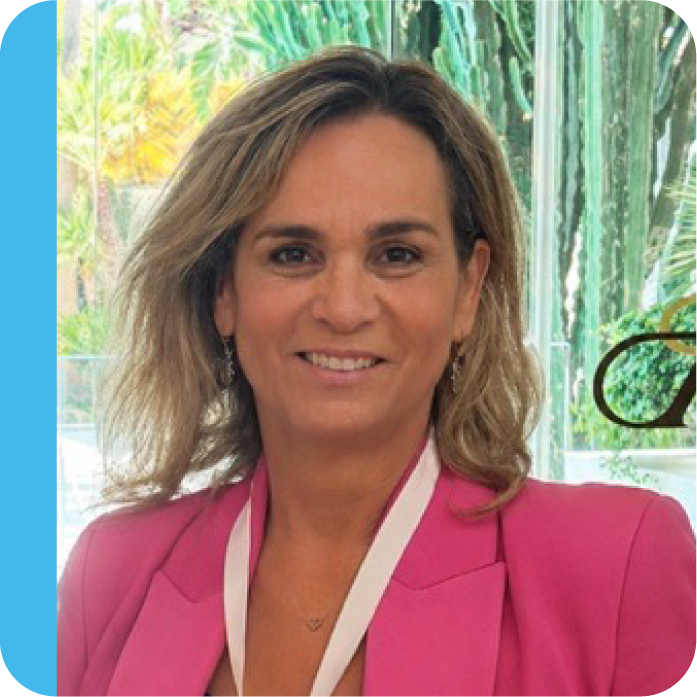
Regina de Fátima Peralta Muniz Moreira
Regina de Fatima Peralta Muniz Moreira is a senior researcher in Chemical Engineering and full professor at the Federal University of Santa Catarina, where she has worked since 1983. She earned her PhD in Chemistry from UFSC in 1994, completed postdoctoral training at the University of Porto, and was a visiting professor at the University of Málaga. She leads the Laboratory of Environmental and Energy Processes in UFSC’s Department of Chemical and Food Engineering. Her research focuses on industrial and urban wastewater treatment, advanced oxidation processes, adsorption, heterogeneous catalysis, membrane systems, physicochemical treatments, nanotechnology-based processes, carbon materials, graphene applications, green hydrogen, produced-water treatment, CO₂ capture and valorization, and sustainable materials.
Read more... × Close
She has participated in more than 30 national and international research projects and has made a major contribution to human-resource development, supervising or co-supervising 70 completed master’s dissertations and 40 doctoral theses. A CNPq Level 1A Research Productivity Fellow, she has received the Green Project Award, Women in Science Award, and Confap Johanna Döbereiner Award. She has published more than 240 peer-reviewed articles, with 7,867 Scopus citations and an h-index of 48.
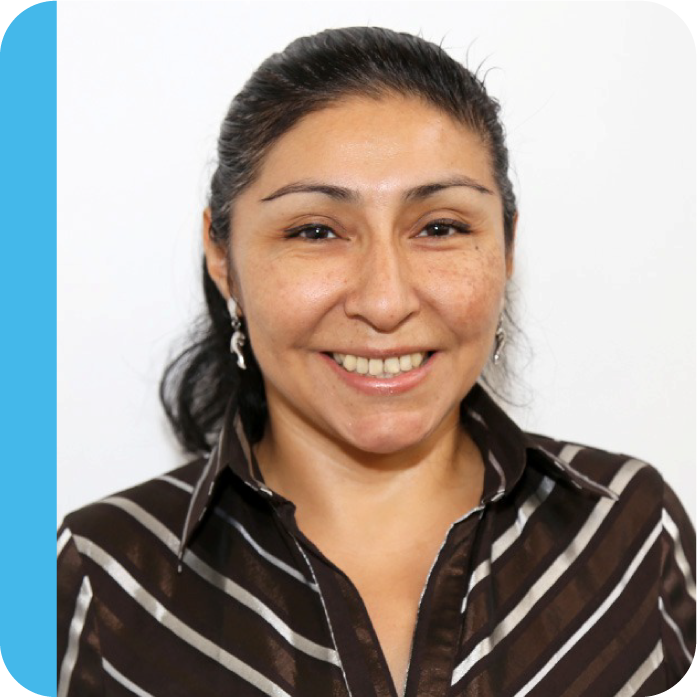
Jessica Nieto-Juárez
Prof. Jessica Nieto-Juárez, Ph.D. She is a full professor (2017) and Director of the Postgraduate Program (2026) in the Faculty of Chemical and Textile Engineering (FIQT) at the National University of Engineering (UNI) in Lima, Peru. She obtained her Diploma in Chemistry at the National University of Engineering in Lima, Peru, and a M.Sc. in Chemistry at the University of Concepcion, Chil.
Read more... × Close
She received a scholarship from the Swiss government to conduct research in Prof. Dr. Cesar Pulgarin’s Advanced Oxidation Processes Group (EPFL) and later joined the Environmental Virology Laboratory at EPFL (Prof. Dr. Tamar Kohn) to conduct her doctoral work in Environmental Sciences (Lausanne, Switzerland). She leads the Research Group of Environmental Quality and Bioprocesses (GICAB) at FIQT-UNI. Her research focuses on the elimination of emerging contaminants from water and wastewater by AOTs (sonochemical, photochemical and electrochemical processes), as well as on assessing the environmental risks they pose to aquatic and terrestrial ecosystems.
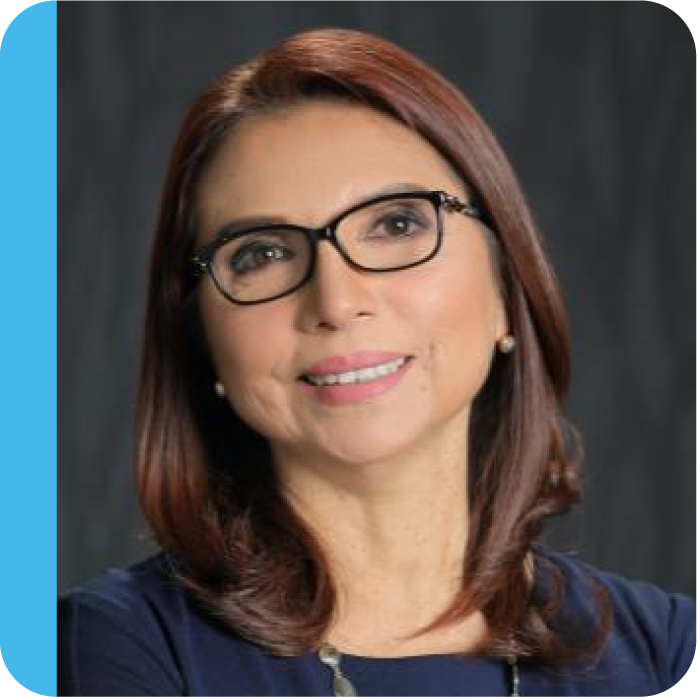
Aracely Hernández-Ramírez
Prof. Aracely Hernández-Ramírez obtained her Ph.D. in Sciences in Ceramic Engineering specialty, from the Autonomous University of Nuevo Leon (UANL) in 2003. She was a Full Professor since 1982 in the Faculty of Chemistry Sciences and Head of the Laboratory of Photocatalysis and Environmental Electrochemistry (from 2010) at the same Faculty at the UANL. Her research field is focused on the synthesis, characterization, and properties of photocatalytic semiconductors with application on the elimination of pollutants in water and air (CO2 and NOx), including the monitoring of their transformation products during the degradation process. Editor of Journal Materials Science in Semiconductor Processing, Elsevier (2017-2023).
Read more... × Close
She has published 151 scientific articles in JCR with 5832 citations (h-index 46, Scopus), 4 books, 6 book chapters, 3 patents and more than 300 communications in national and international conferences, 33 conferences as an invited speaker, and has obtained financial support for 24 national and international research projects. She is a member of the National Researchers System level 3 and the Mexican Academy of Sciences. Prof. Hernández-Ramírez supervised 13 bachelor, 26 Master and 24 Ph.D. research projects. Her work has been widely recognized, and she has received multiple awards for her scientific contributions, most notably the National Award “Women in Science-senior researchers” conferred by the Mexican Academy of Sciences with the support of the L’Oréal-UNESCO Foundation in 2021.